

Grief is a Whole Body Experience
One thing we hear often is how overwhelming grief can be.
Losing someone you love, or a place or a job or a pet or an ability, means that your brain and your body need to learn a new way of being in the world. That is expensive from a neurological and physical point of view. No wonder you are overwhelmed.
The good news is that your brain and body are made to learn, and it will, over time.
It might help to learn what is happening, and to learn how to have your body working with you, not against you, at this time of bereavement.
Those who are in the helping professions, or who are supportive grievers, may also find it helpful to understand why it feels the way it does.
Here are some resources.
Dr. Mary - Frances O’Connor
Mary-Frances O'Connor is a Professor of Clinical Psychology and Psychiatry at the University of Arizona. Her research focuses on the physiological correlates of emotion, in particular the wide range of physical and emotional responses during bereavement, including yearning and isolation.
Her two books are relied on for our Beyond Hospice grief education for their simplicity in explaining complex science of the grief’s effects on the brain and the body. For many, understanding that grief is a full body experience, and that from a neuroscience point of view, grieving is the same thing as learning, has been profoundly helpful.
Her website is a treasure chest of articles, audio and video on her research, well worth the time.
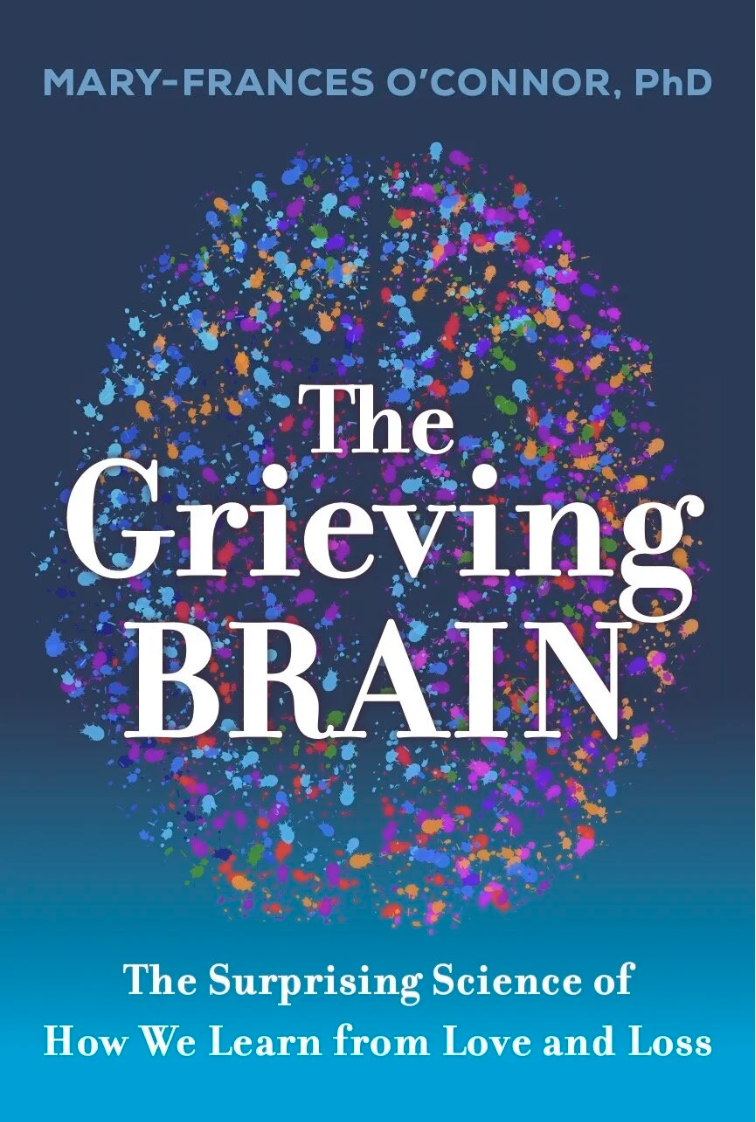
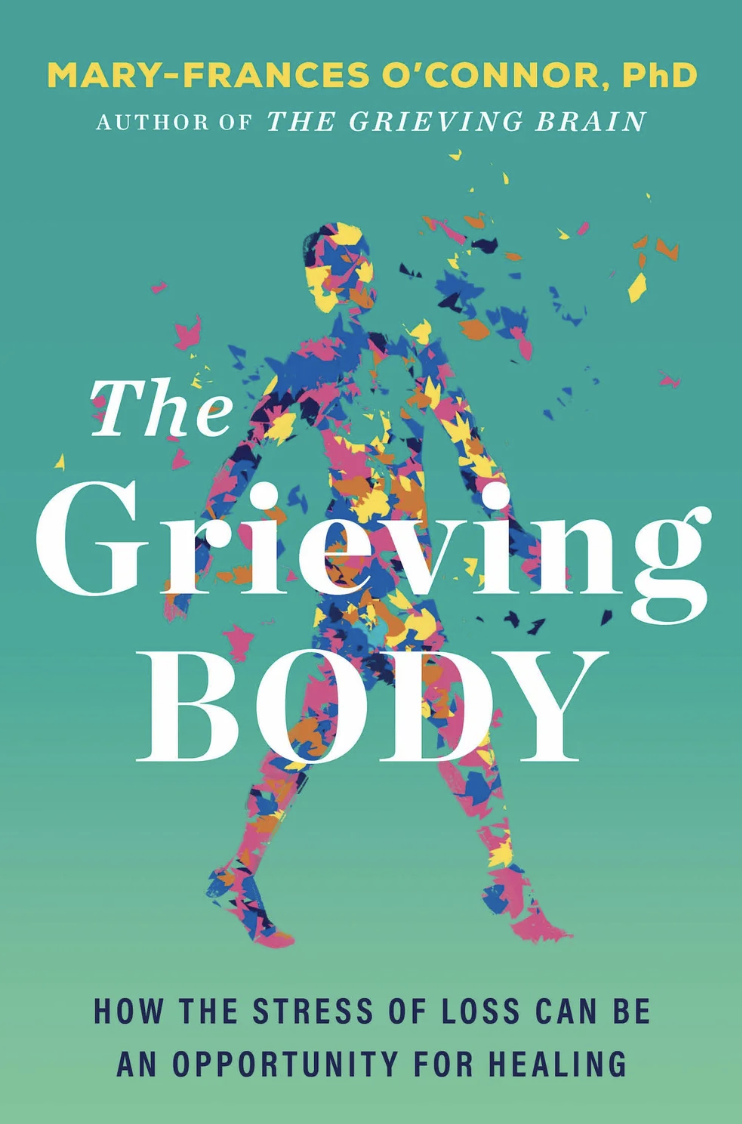
Watch Dr. Mary-Frances O’Connor
She’s got great stories and insight from her years of research on the brain and grief.
Good grief needs good sleep.
From a neurological perspective, grieving is the same thing as learning, and for the brain to learn well, it needs to sleep well.
Ashley Mason is a clinical psychologist and an associate professor at UCSF, where she leads the Sleep, Eating, and Affect (SEA) Laboratory. In this episode, Ashley details techniques to improve sleep. She explains how to manage racing thoughts and anxiety, optimize sleep environments, explores the impact of temperature regulation, blue light exposure, and bedtime routines.
What’s Your Grief
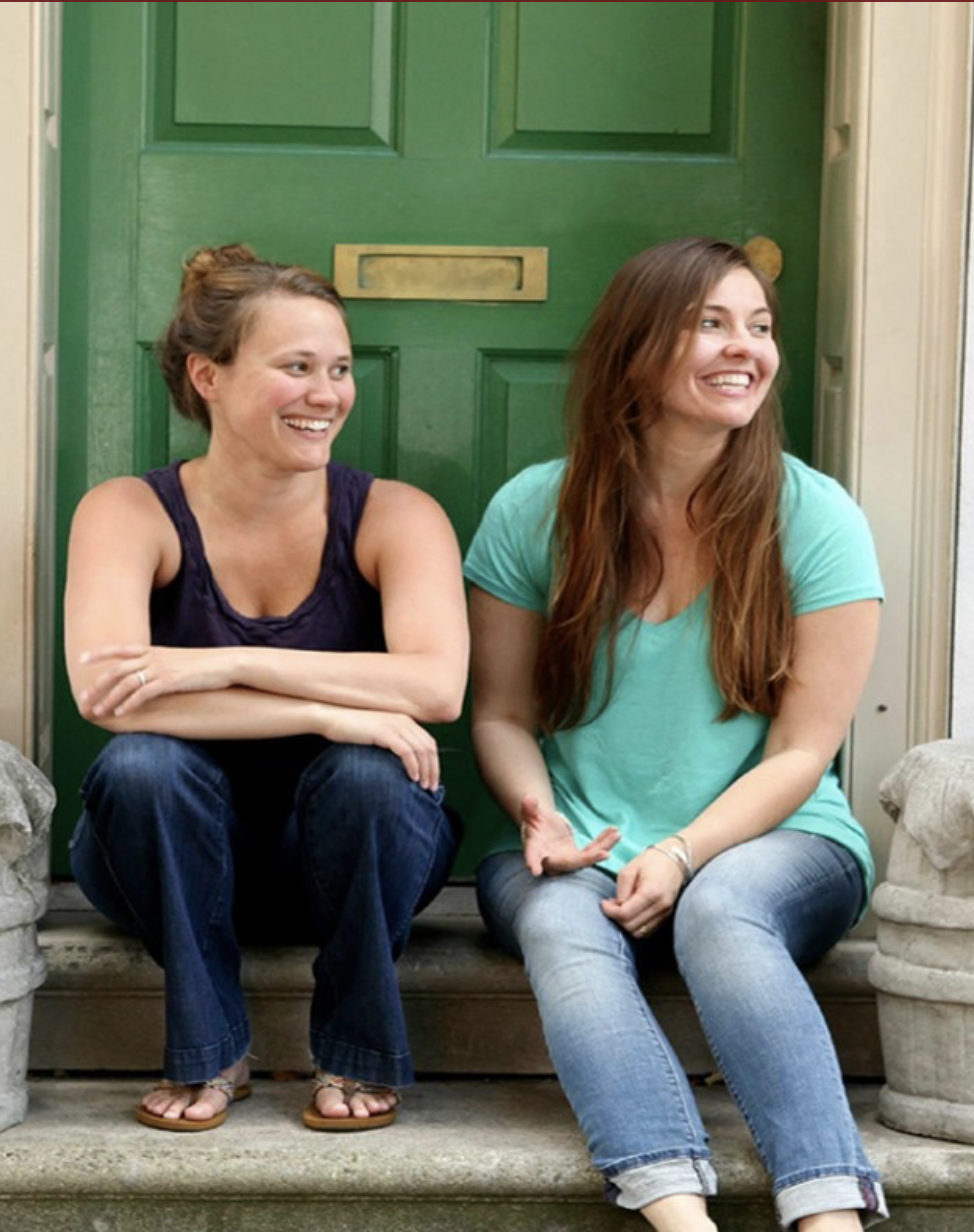
Eleanor Haley, M.S., & Litsa Williams, MA, LCSW-C
We respect the work of these women, pass out their book like candy, and recommend
their trainings, resources and articles. Check out their website.
Specifically, our mission is to promote grief education, exploration, and expression in both practical and creative ways. We achieve this mission by providing:
Resources related to understanding and coping with grief and loss
Guidance on how to help a grieving friend or family member
Online courses about grief and supporting someone who’s grieving
Resources, education, and training for grief counselors, grief volunteers, and other professionals working in fields related to grief and loss.
A podcast about grief
A supportive community
Because grief is a whole body experience, rituals help.
Community Ritual Gatherings, Classes, and Spaces
-
![]()
Grief Ritual, Roseville
The Community Grief Ritual in Roseville, Minnesota meets every fourth Saturday of the month from 2:00 PM to 4:00 PM CDT. It is held in the community room at Showtime Coffee, is free to attend, and welcomes all who wish to explore and express grief in a shared space
-
![]()
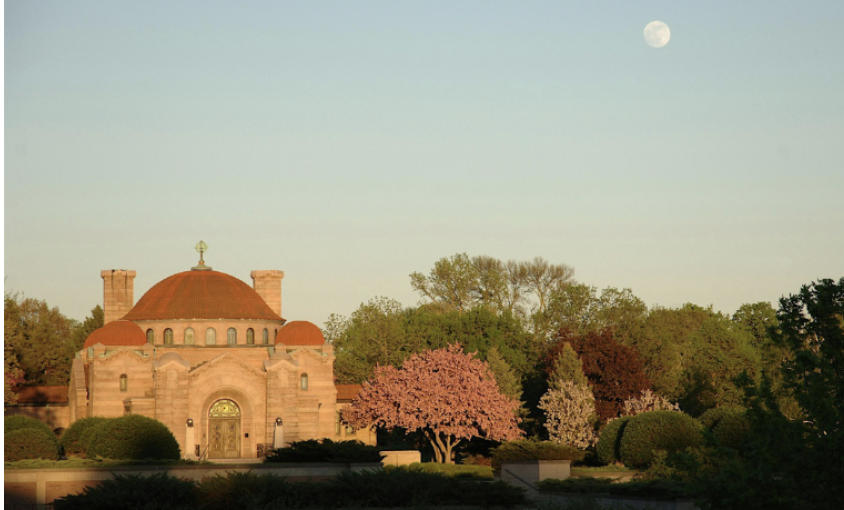
Lakewood Cemetery Grief Event Calender
At Lakewood, we believe it’s time to take a fresh look at one of humanity’s most meaningful thresholds: the end of life.
Join us for one of our thoughtfully crafted grief and remembrance events to honor someone who is loved and missed, or explore your own feelings associated with grief and loss through personal reflection and creative expression.
-
![]()
The Bardo
The Bardo is a shared dream—and a social impact business— that supports people on diverse journeys related to death, loss, and end-of-life. Classes, circles, grief groups, rituals, tea ceremonies, mandala making.
-
![]()
The Grief Room
This space is a container for your grief—a quiet, sacred refuge where you are invited to be. Offers workshops, massage, therapy, clinics, quiet spaces. On Grand Avenue in St. Paul.

The Grief Guy
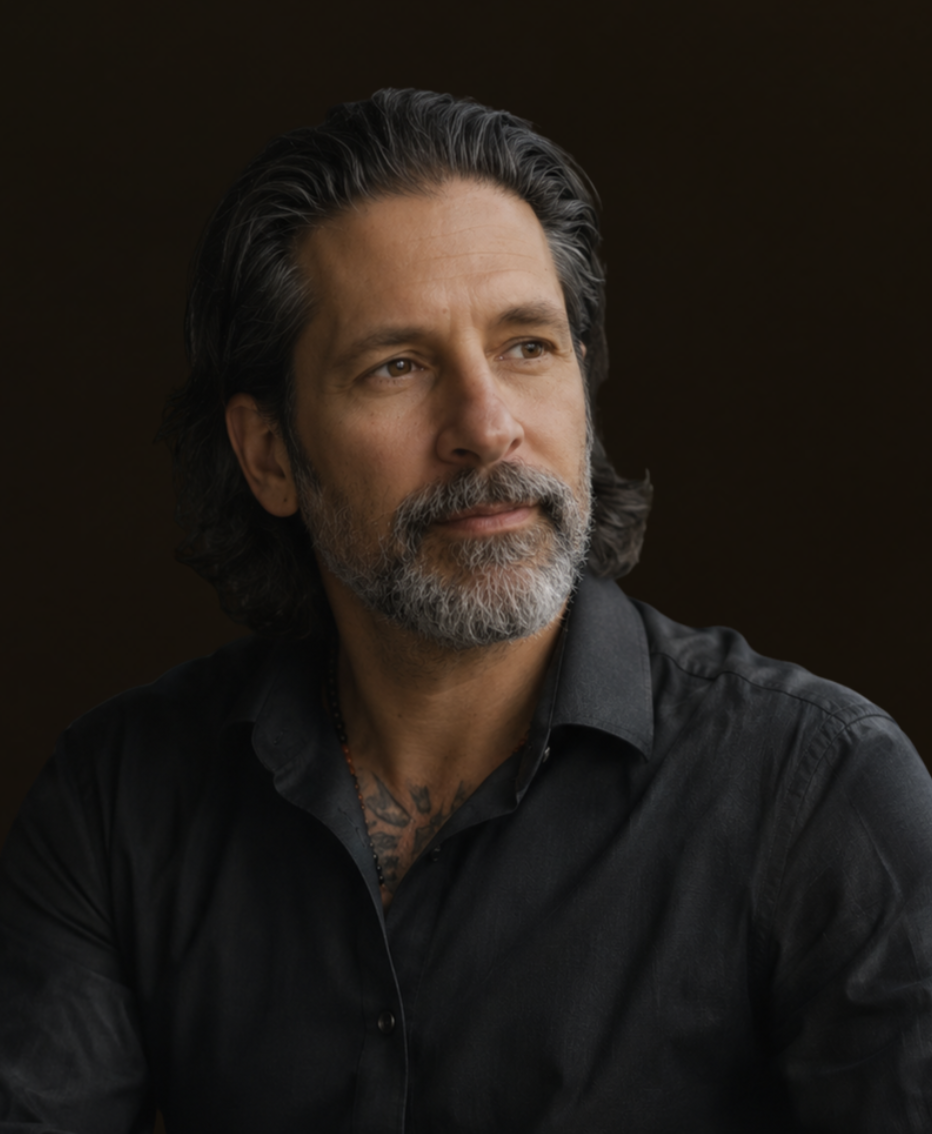
Philip Cohen
Several at our Beyond Hospice grief groups have found Philip’s instagram videos very helpful. While he isn’t from academia, his work reflects a sound understanding of the research. Coming to this work from his own story of loss, his way of using storytelling, images, and science to explain what it feels like to grieve leaves people feeling noticed and comforted. Check out his videos or follow him on socials.